DK: King of Swing for the Game Boy Advance and Difficulty
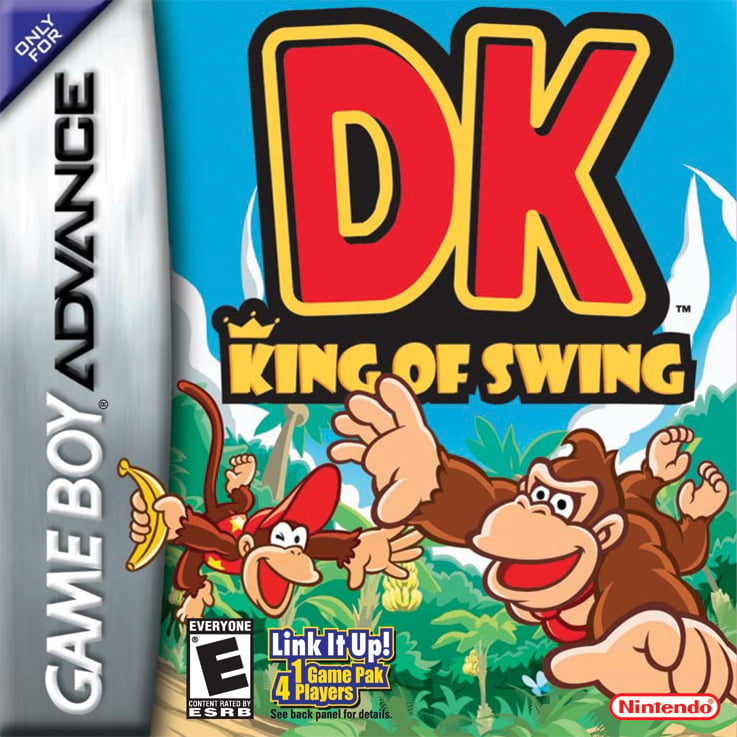 Last night I finished DK: King of Swing for the Game Boy Advance. This was a very odd game, recommended primarily as a piece of Nintendo history in that odd post-Rare pre-Retro-Studios “what the hell do we do with Donkey Kong” era.
DK: King of Swing has a very odd control scheme. You use the L and R buttons to grab floating pegs with the Kong’s left and right arms respectively; when a peg is grabbed, DK will automatically rotate based on the hand you’ve grabbed. It feels oddly prescient of the modern indie rage-game (Getting Over It, Jump King, countless pieces of cobbled Unity asset streamer-bait products), figuring out this bizarre and utterly unintuitive method of moving around this silly ape.
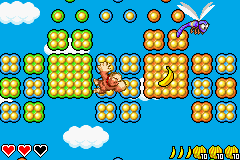
The problem is the game’s really fucking easy. Once you’ve mastered the controls, it never really expects you to demonstrate mastery. The ability to trade-in bananas (of which there are plenty, of course) for health and even temporary invincibility allow you to brute-force anything the game throws at you, and the levels aren’t very tricky anyway up until the cleverly designed final three (if only the whole game was as good as those levels!).
The idea of allowing players to demonstrate mastery is, at least I think, the core function of difficulty. Not all games need to be difficult, because not all games need to be about mastery or improvement. I don’t mind gliding through a Kirby game. The new-ish wave of “cozy” platformers, started with the brilliant Grow Home and arguably perfected with A Short Hike offer little-to-no precise jumps in favor of encouraging open exploration of highly detailed worlds.
The problem comes when a game creates some opportunity for mastery but does not provide the friction required to make this mastery rewarding. To me, the pinnacle of this is the fudged TTRPG combat. Most combat-focused TTRPGs provide the player with countless weapons, feats, spells, etc, basically calling out to the players “optimize me please”. If I were to learn how to maximize my to-hit bonus, deal the most damage, be the most badass fighter I can be only to realize a +1 STR Default Dan would’ve dealt with those goblins just as well, it feels disappointing. In OSR, I feel a similar bummer when I practice caution, investigate everything the GM lets me, only to realize this dungeon has no fangs. In these more traditional RPG play structures, skill and mastery is a major part of player expression. Let your players express themselves! Of course, the problem of skill expression is nowhere near as prevalent in story games; it’d be odd for a game where collaborative story-making is the central if not sole lusory goal to suddenly emphasize tactics, like if Myst were to suddenly give you an SMG or something.
In discussing initial ideas for this post, To Be Resolved pointed me to this post by designer Aaron Lim where he argues “fun is a trap”. I agree with his message but would object to the initial phrasing. I don’t think the issue comes from prioritizing fun, but from failing to understand where fun can come from. Fun is a direct result of the friction Put a bunch of apples in a bucket of water and try to grab one out. That wasn’t very fun! But try to do it with your hands behind your back and you have a fairground classic. Even if story games do not emphasize “skill”, their fun still comes from a set of limitations and friction; see Jay Dragon’s brilliant Rules are a Cage for example.
Design nasty scenarios to allow your players to express themselves. Be fair, but don’t hold yourself back from being cruel if that’s what the game demands. Check in frequently, and if your players keep giving you the thumbs-up then keep double-tapping those downed PCs and making hard moves to try killing off those beloved NPCs.
Anyway, I would not recommend DK: King of Swing unless you’re incredibly curious about the greater history of DK. Even then, Donkey Kong: Jungle Beat is a far superior gimmicky DK Dark Age product.